Stachybotrys Chartarum Remediation
Black Mold Remediation Services
Professional remediation for dark mold growth, moisture control, and safe contamination removal
GET A FREE ESTIMATEThe Most Important Thing to Know
If you see or smell mold, the priorities are: (1) fix the moisture, and (2) remove contamination safely.
"Black mold" is one of the most searched—and most misunderstood—indoor air quality concerns. People use the term to describe dark-colored mold growth, but the species most associated with the phrase is Stachybotrys chartarum (often called "stachy," "black mold," or "toxic mold").
What Is "Black Mold"?
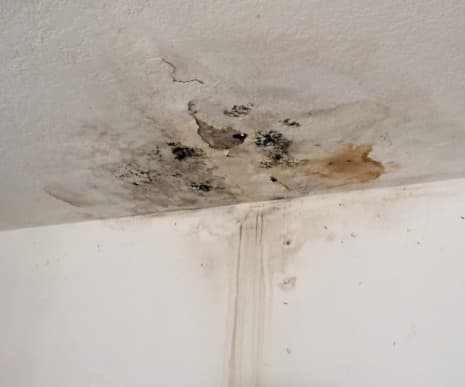
"Black mold" is not a single mold type—it's a description of appearance. Many molds can look dark or black depending on lighting, surface type, age of the growth, and moisture conditions. Only lab analysis can confirm whether a specific growth is Stachybotrys chartarum.
That said, Stachybotrys is well-known because it's often found on water-damaged, cellulose-based materials like drywall (gypsum board paper), fiberboard, and paper—when moisture conditions persist.
Understanding the Species
Stachybotrys Chartarum
The mold people mean when they say "black mold"
Characteristics
Stachybotrys chartarum is typically described as a greenish-black mold that grows on materials with high cellulose content. It generally needs ongoing moisture—often from water damage, leaks, condensation, infiltration, or flooding—to develop and spread.
Common Situations
- •Long-term plumbing leaks behind walls
- •Chronic roof leaks (attics/ceilings)
- •Wet drywall after floods or slow intrusions
- •Damp basements and crawl spaces with persistent humidity
Is Black Mold "Toxic"?
Some molds are toxigenic, meaning they can produce mycotoxins. However, major public-health guidance emphasizes that "toxigenic molds" (including Stachybotrys) should generally be handled the same way as other indoor molds: remove the mold and correct the moisture problem.
May Produce
Allergens
May Produce
Irritants
May Produce
Mycotoxins
Bottom line: the label matters less than the conditions—visible growth + moisture + impacted building materials. That's what drives a professional remediation plan.
Health Information
Black Mold Health Concerns
Mold exposure affects people differently. Health effects commonly associated with damp/moldy indoor environments can include:
- Allergy-like symptoms (stuffy nose, sneezing, irritated eyes/throat)
- Respiratory irritation
- Worsening asthma symptoms for people with asthma
- Evidence links damp indoor environments with asthma symptoms
Important: If someone in the home has asthma, chronic respiratory conditions, is immunocompromised, elderly, or an infant is present, it's especially important to take a controlled approach and avoid "DIY disturbance" that can spread particulates.
Note: This is general information, not medical advice. If you have urgent symptoms (trouble breathing, severe reactions), seek medical care.
Common Locations
Where Black Mold Commonly Shows Up
Hidden (Behind Walls)
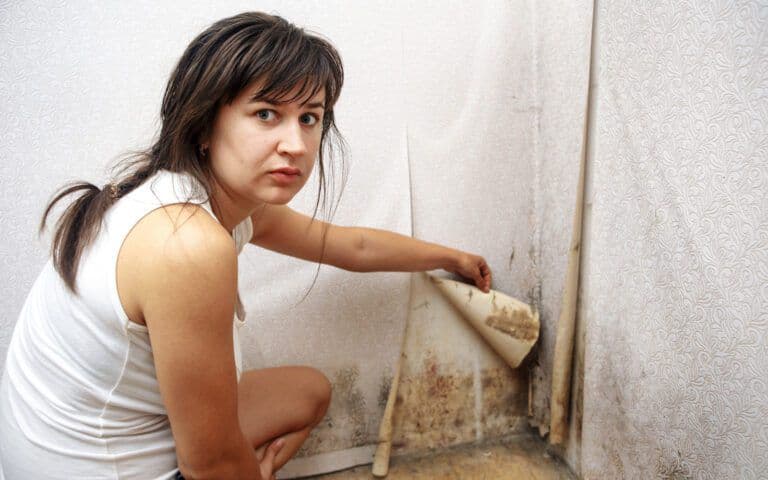
Hidden mold is common after slow leaks. You might not see growth, but you may notice:
- •Musty odor that won't go away
- •Baseboards swelling, paint bubbling
- •Flooring warping or soft spots
- •Symptoms that improve away from home
Basement Black Mold
Basements create mold-friendly conditions due to cooler temperatures and higher humidity:
- •Ground moisture intrusion
- •Condensation on ducts/pipes
- •Past seepage or minor flooding
Attic Black Mold
Attic growth is often driven by:
- •Roof leaks around penetrations
- •Bathroom fans venting into attic
- •Condensation from poor ventilation
What NOT To Do (Common Mistakes)
Don't Spray and paint over it
Covering mold without correcting moisture often leads to recurrence.
Don't Dry it with fans
Uncontrolled airflow can spread spores and particles throughout your home.
Don't Assume color = species
Many molds look black; only lab work can confirm Stachybotrys.
Our Process
Our Black Mold Remediation Approach
We treat suspected "black mold" with the same seriousness and controls we use for any indoor mold condition—especially when there's visible growth, odor, or confirmed water damage.
Moisture Assessment
Inspect and identify the moisture driver causing the mold condition.
Containment Setup
Isolate the affected area to limit cross-contamination during remediation.
Material Removal
Selectively remove unsalvageable porous materials like drywall and insulation.
Clean & Verify
Detail remaining surfaces, stabilize humidity, and coordinate clearance testing if needed.
We focus on a clean, defensible process: control the source, remove what can't be cleaned, clean what can be saved, and verify dryness.
Common Questions
Black Mold FAQs
Is Stachybotrys the most dangerous mold?
It's a mold that can be associated with water-damaged building materials and may be capable of producing mycotoxins, but the practical remediation approach is the same: fix moisture and remove contamination safely.
How do you know if it's Stachybotrys?
You can't confirm species by sight alone. Lab analysis is required for identification.
Why did it show up in my home?
Mold growth indicates moisture has been present long enough to support growth. Stachybotrys in particular is associated with persistent wet conditions on cellulose-based materials.
Do I need testing for black mold?
Testing can be helpful for documentation (real estate, disputes, insurance), odor-only or hidden conditions, or third-party clearance after remediation. But many situations don't require species-level identification to act—if you see or smell mold, you should address it.




Do You Know What's in Your Home?
Discover potential hidden mold growth in your home with our thorough and professional mold testing services.
GET A FREE ESTIMATETestimonial
Client Experiences with Mr. Mold
Hands down the best mold company out there!! David was very professional and great to work with!! Honestly the best in the business would not even consider calling anyone else
Butch R