EPA/NADCA-Aligned Service
Professional Duct Cleaning Services
HVAC system cleaning that addresses the root cause, not just the surface—when cleaning is actually needed
GET A FREE ESTIMATEEPA Guidance
When Duct Cleaning Is Actually Recommended
Air duct cleaning is most valuable when there's a specific condition present—not as an annual routine. EPA guidance is clear: duct cleaning has never been shown to prevent health problems, and much of the dirt in ducts adheres to surfaces and doesn't enter living spaces.
We recommend cleaning when inspection confirms:
- Visible mold growth inside ducts or on HVAC components
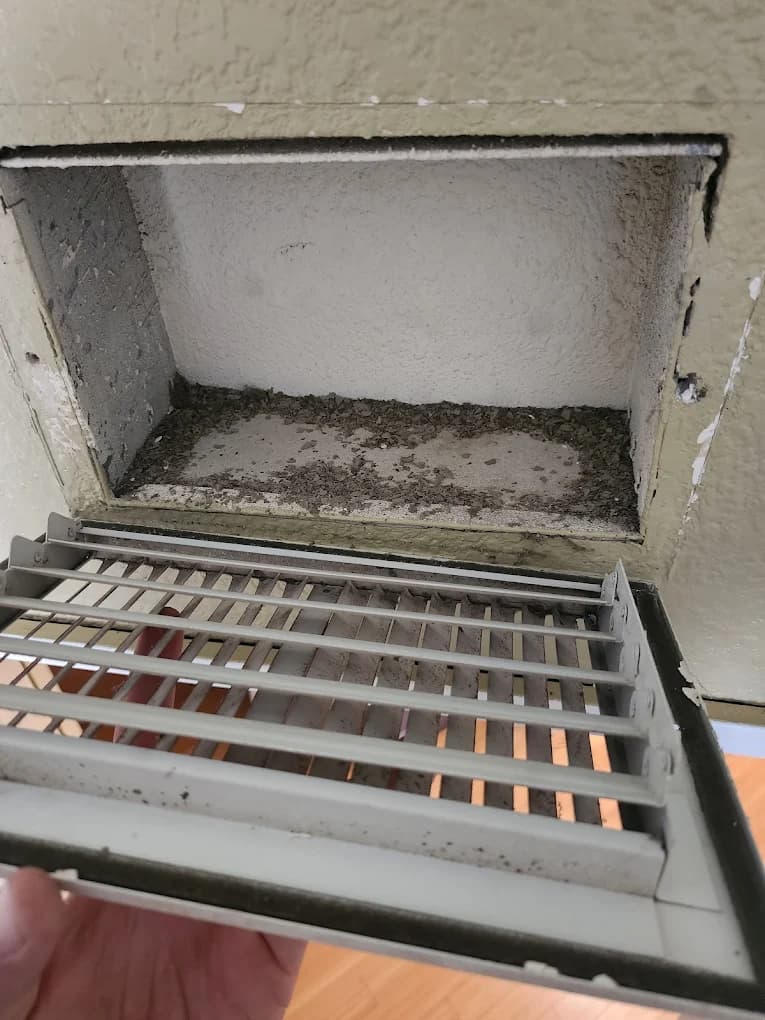
- Rodent or insect infestation evidence in ductwork
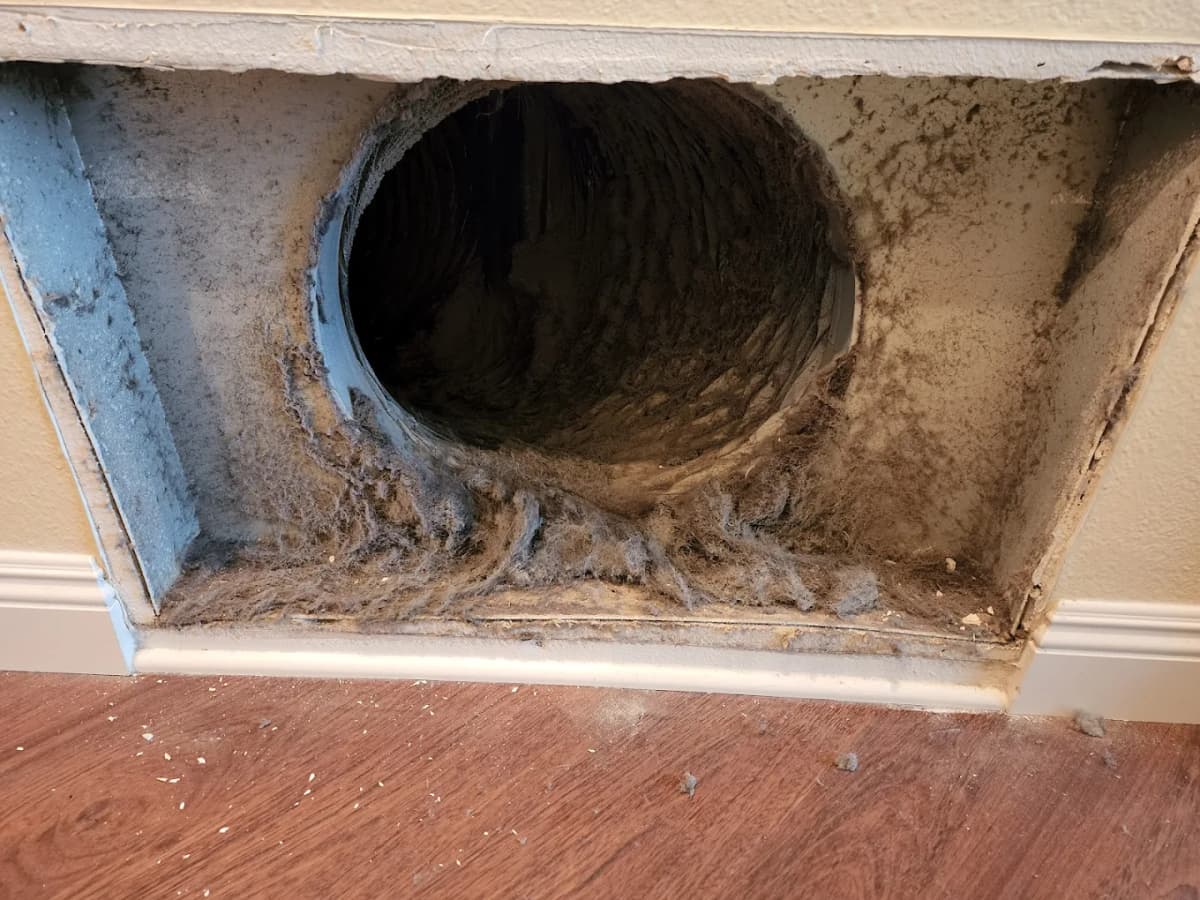
- Excessive debris visibly coming through registers
- Post-renovation dust and construction debris accumulation
Why we tell you this: Being honest about when duct cleaning helps (and when it doesn't) builds trust. We'd rather give you accurate information than sell you a service you don't need.
Our Differentiator
Mold in Ducts: What It Means
If mold is present in your HVAC system, cleaning alone is rarely the whole solution
The Moisture Connection
Mold is driven by moisture. EPA notes that if the conditions causing mold exist, the cause must be corrected—or growth will recur. We look for the underlying moisture contributor so the problem doesn't just come back after cleaning.
Why This Matters
Most duct cleaning companies just brush and vacuum. We approach it as mold professionals—identifying why contamination developed and what needs to change to prevent recurrence.
Where Mold Usually Starts in HVAC Systems
Wet/dirty evaporator coil
Creates a condensation environment that supports mold growth
Clogged condensate drain
Backs up moisture into the air handler and ductwork
Poorly insulated boots/plenums
Causes sweating and condensation on duct surfaces
Return leaks
Pulls unconditioned attic or crawl space air with humidity and contaminants
Flex duct sags
Holds moisture and debris in low points of the ductwork
Beyond Basic Cleaning
Duct Cleaning + Duct Sealing
Most homeowners don't realize: leaky return ducts can pull attic or crawl space contaminants directly into your HVAC system. This introduces dust, humidity, and potential mold spores—no matter how often you change your filter.
We tie our thermal imaging and inspection capabilities to identify:
- Return leaks and disconnected runs
- Poor boot-to-drywall seals
- Torn or damaged flex duct
- Crushed duct sections restricting airflow
This makes our service more complete than "brush and vacuum."
Our Process
NADCA-Style Source Removal
We clean using a source-removal approach: debris is removed—not redistributed into your home
Establish Negative Pressure
Create controlled airflow so contaminants are captured—not redistributed into your home.
Agitate Under Capture
Mechanically dislodge debris while under vacuum control for true source removal.
Protect the Home
Seal registers, use drop cloths, and maintain a clean work area throughout.
Full System Cleaning
Clean blower compartment, accessible coils, and trunk lines—not just the easy parts.
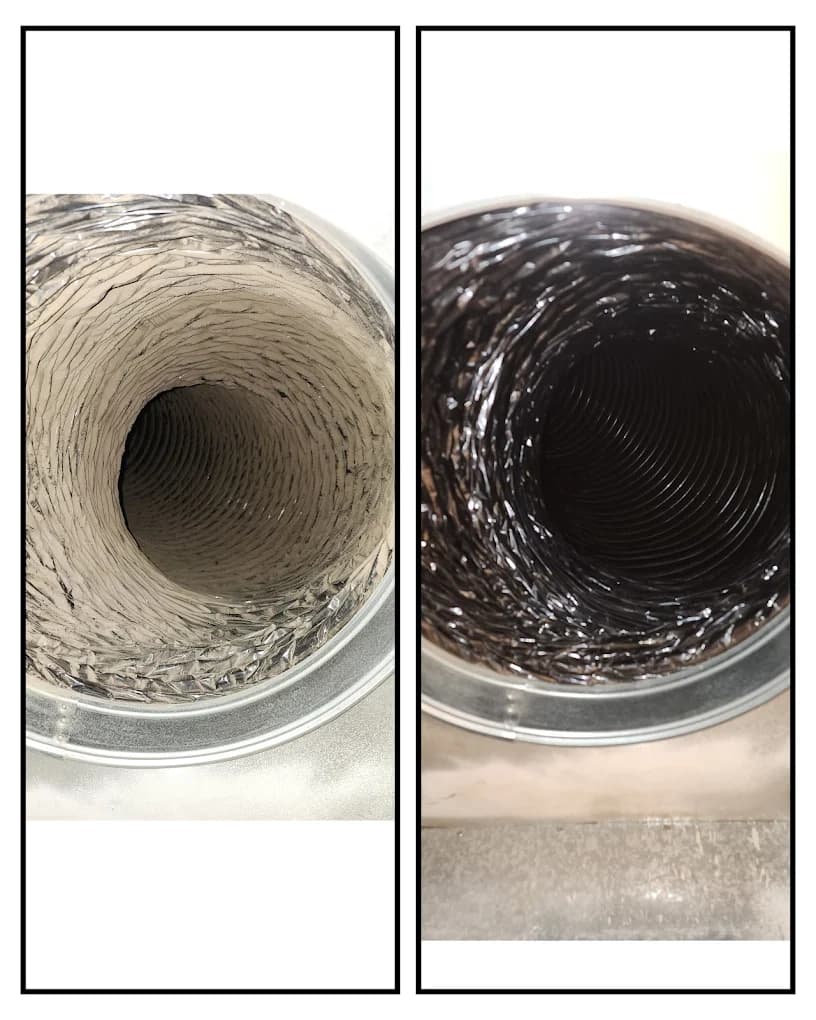
Before/after photo documentation included with every job—so you can see exactly what we did.
Scam-Proof Checklist
The duct cleaning industry has a reputation problem. Here's how we do things differently.
No Scare Tactics
We explain findings clearly, without pressure or alarm.
We Show You What We See
Photo documentation of every job—before and after.
No Fake EPA Claims
EPA does not certify duct cleaners. We don't pretend otherwise.
Written Estimates
Transparent pricing before any work begins.
Our Service
What You Get with Mr. Mold
We approach duct cleaning as indoor air quality professionals, not just equipment operators.
- Full system inspection (attic/crawl context included)
- Thermal imaging and targeted airflow observations
- Photo documentation: before, during, and after
- Clear recommendations: clean vs repair vs seal vs upgrade filtration
Optional Add-Ons
- +Return-leak sealing
- +Coil and air-handler cleaning coordination
- +Antimicrobial wipe-down of accessible components (EPA-registered products only)
Common Questions
Duct Cleaning FAQs
EPA does not recommend routine duct cleaning as a maintenance item. We only recommend it when specific conditions exist: visible mold growth, vermin infestation, excessive debris, or post-renovation cleanup. A light layer of dust is normal and generally stays put.
It can help if return ducts are contaminated with pet dander and hair. However, persistent odors often have other sources—carpet, upholstery, or the HVAC coil itself. We'll assess what's actually in your system and give you honest recommendations.
We inspect the air handler and can coordinate coil cleaning when accessible and appropriate. Some coil work requires an HVAC technician. We'll tell you what's included and what might need separate service.
A typical home takes 3-5 hours depending on system size, accessibility, and condition. We don't rush—proper source removal takes time to do right.
No. We establish negative pressure so debris is captured at the source. We seal registers during cleaning and use drop cloths to protect your home. The goal is to remove contaminants, not spread them.




Do You Know What's in Your Home?
Discover potential hidden mold growth in your home with our thorough and professional mold testing services.
GET A FREE ESTIMATETestimonial
Client Experiences with Mr. Mold
Hands down the best mold company out there!! David was very professional and great to work with!! Honestly the best in the business would not even consider calling anyone else
Butch R