What is a Vapor Barrier?
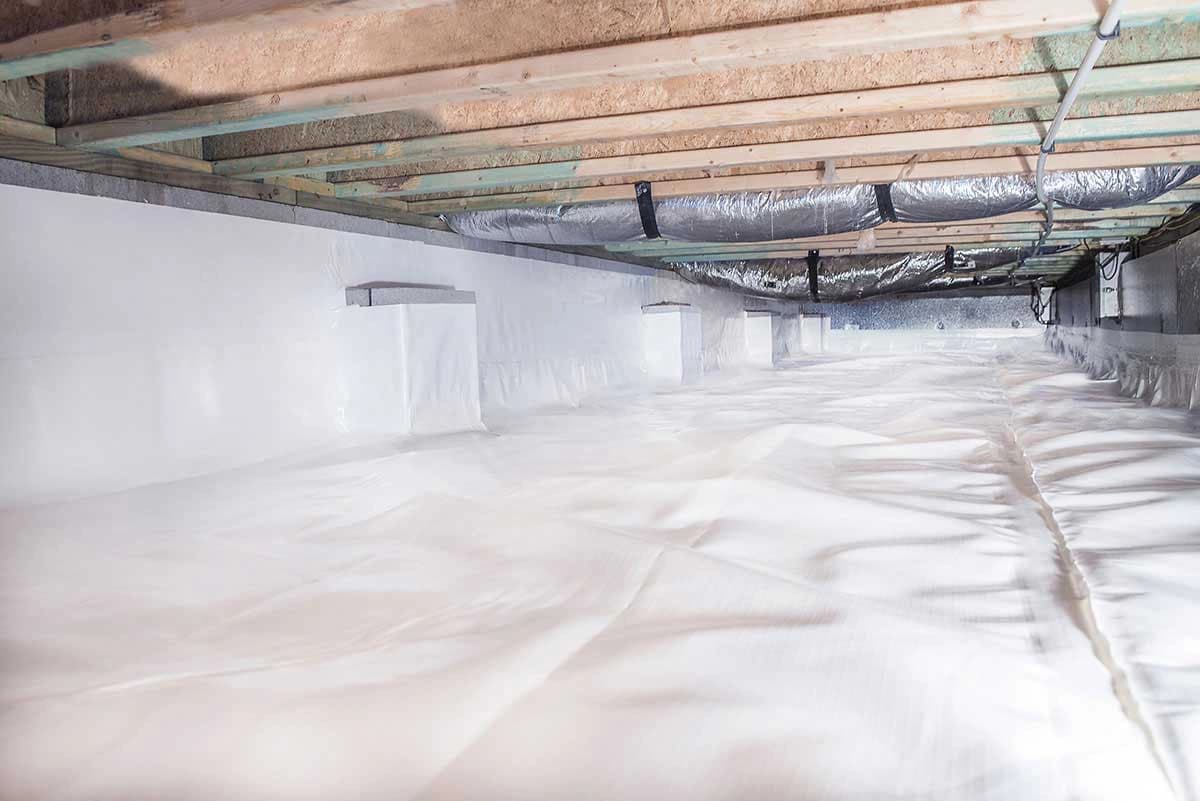
A vapor barrier is a durable plastic membrane designed to control moisture migration through soil and building materials. When properly installed and sealed, it helps keep crawl spaces, basements, and other moisture-prone areas drier, cleaner, and more energy efficient.
What "Professional Installation" Means
Not all vapor barriers perform the same. Effectiveness comes down to coverage, seam sealing, and proper detailing around posts, piers, vents, and penetrations—so moisture doesn't bypass the liner.
Why Install a Vapor Barrier?
Reduces Ground Moisture
Blocks moisture intrusion from soil that can raise indoor humidity levels throughout your home.
Protects Structure
Shields framing and insulation from damp conditions that can lead to deterioration and damage.
Limits Odors
Helps eliminate musty smells commonly caused by stagnant moisture in crawl spaces.
Improves Efficiency
Stabilizes humidity levels to improve comfort and HVAC efficiency, potentially lowering energy costs.
Where Vapor Barriers Are Commonly Installed
Vapor Barrier Installation for Mold Prevention
Moisture is the #1 driver of mold growth. A vapor barrier helps by reducing the moisture load in areas where mold commonly develops—especially crawl spaces and lower-level structures—so building materials stay drier and conditions are less favorable for microbial amplification.
How Vapor Barriers Help Prevent Mold:
Important Note
A vapor barrier is a moisture-control measure, not a "mold kill" product by itself. If mold is already present, proper cleaning/remediation and fixing the moisture source should be part of the plan. A vapor barrier is often a key step to help keep the problem from returning.
Our Vapor Barrier Installation Process
We install vapor barriers with a focus on coverage, durability, and proper sealing—because small gaps can undermine performance.
Site Assessment
Identify moisture sources, drainage issues, and airflow conditions to create an effective installation plan.
Surface Prep
Clear debris, smooth sharp points, and stage the area for full coverage to ensure proper barrier adhesion.
Barrier Placement
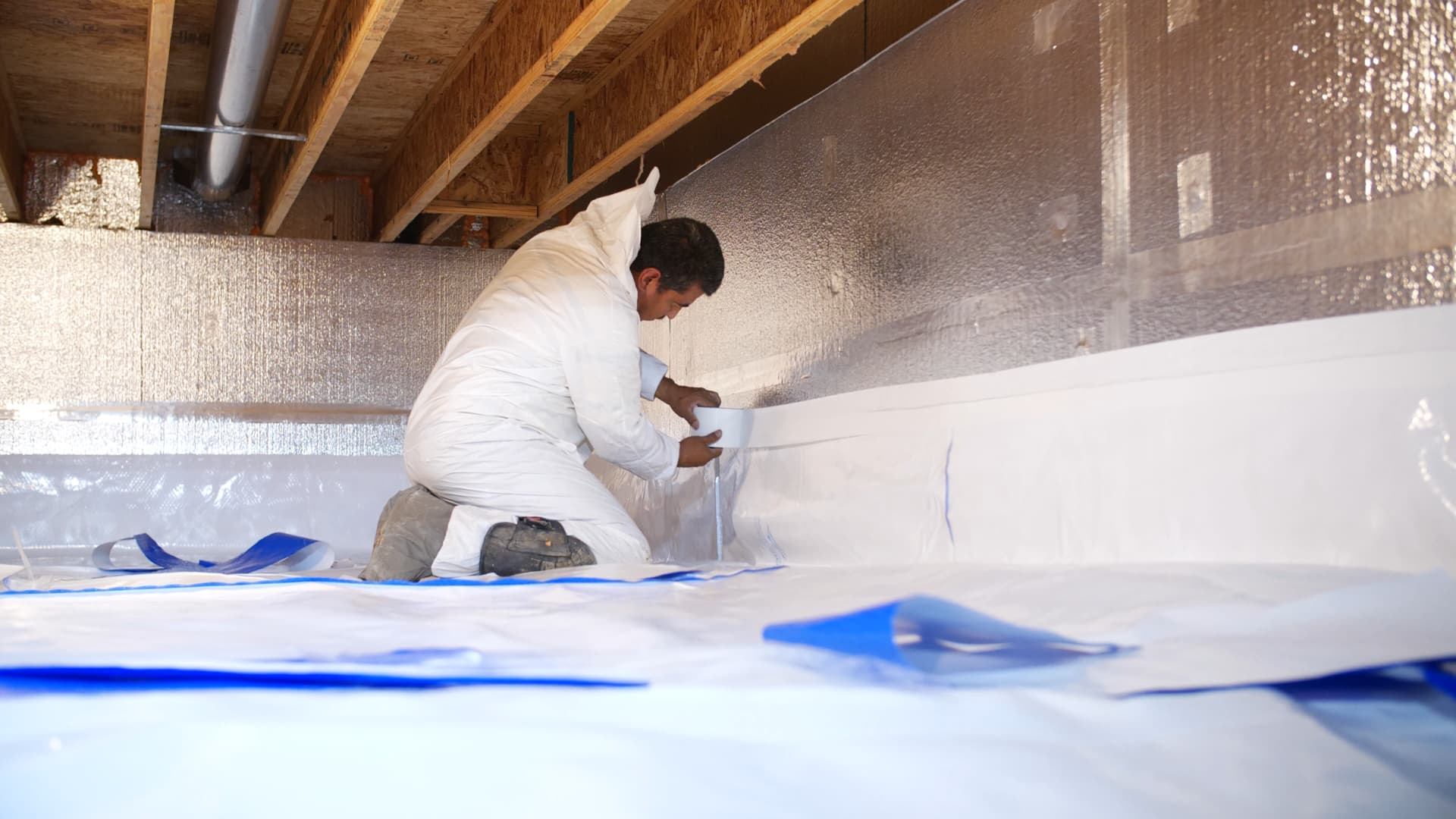
Install appropriate thickness liner and overlap seams for comprehensive moisture protection.
Seam Taping & Sealing
Tape overlaps and detail around posts, piers, and penetrations to eliminate moisture bypass points.
Wall Attachment
Extend and seal barrier to foundation walls for enhanced performance (when applicable).
Final Inspection
Verify full coverage, secure attachment, and clean finish to ensure optimal barrier performance.
Optional Upgrades:
Crawl space encapsulation, vent sealing, dehumidifier integration, insulation improvements, and air quality testing if there are odor/health concerns.
Signs You May Need a Vapor Barrier




Testimonial
Client Experiences with Mr. Mold
Hands down the best mold company out there!! David was very professional and great to work with!! Honestly the best in the business would not even consider calling anyone else
Butch R